The Off-Season Discount: When to Schedule Each Home Project for Maximum Savings
Contractors drop prices 15-20% in slow months. Here's the seasonal pricing calendar for every major home project and the scripts to lock in off-season rates.
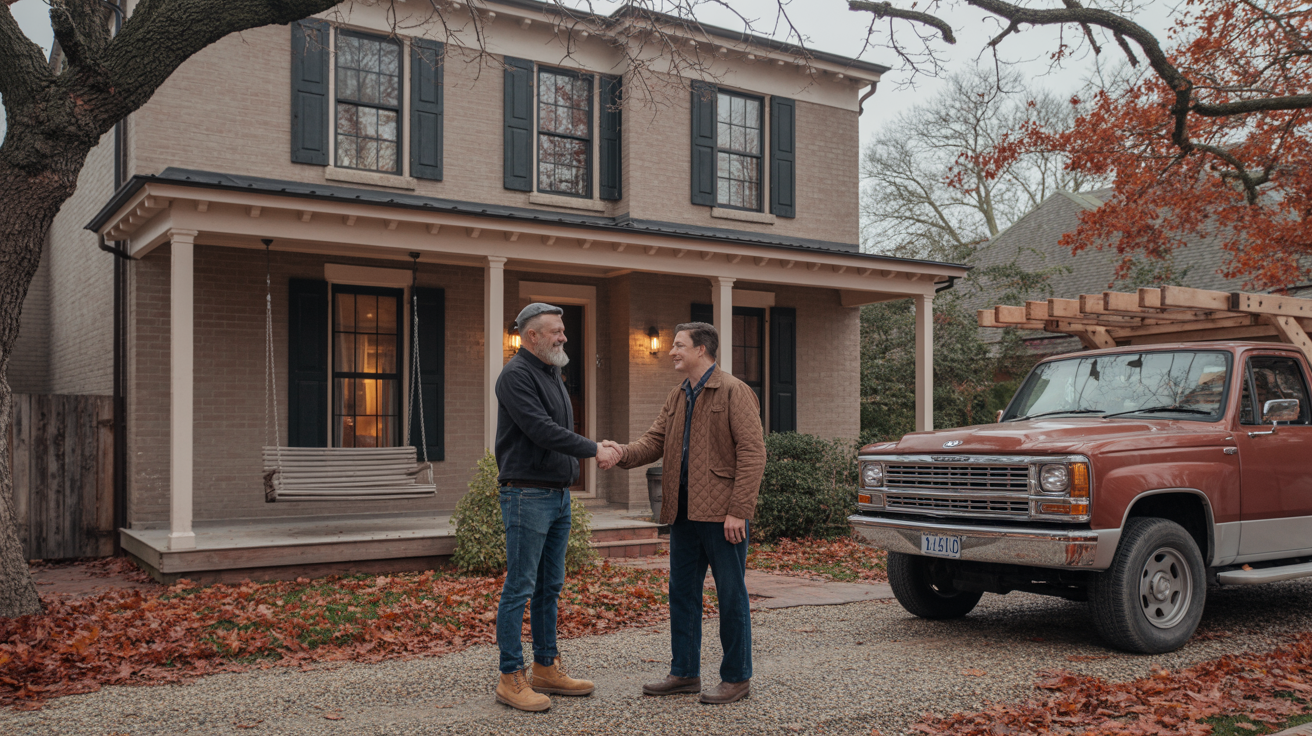
The same home project costs 15-20% less if you schedule it in the right month. Contractors need work in slow seasons. Their crews are sitting idle. Their overhead stays the same. You're the one with leverage from November through February.
Most homeowners hire contractors when they need the work done, not when the work is cheapest. That reactive approach costs $2,000-$5,000 extra on a $15,000 project. The smart play, when the project isn't urgent, is scheduling around the contractor's calendar instead of yours.
I watched a $60,000 roof-and-solar project blow up in peak season. Original fascia estimate: $2,000. After tear-off in July (the busiest month for roofing crews), the contractor piled on $6,800 for fascia "replacement." When every roofer in the metro area has a 6-week backlog, you have zero negotiating position. That homeowner counted the boards and found 40-50% were only painted, not replaced. Peak season gave the contractor every advantage.
You don't have to play that game. Grab the free Contractor Defense Checklist for the negotiation scripts that work best in off-season conversations.
The Seasonal Pricing Calendar for Home Projects
Here's when each major project is cheapest and when it's most expensive:
| Project | Cheapest Months | Most Expensive Months | Typical Savings |
|---|---|---|---|
| Roofing | Nov - Feb | May - Sep | 15-20% |
| HVAC Replacement | Mar - May, Sep - Oct | Jun - Aug (AC), Dec - Jan (heat) | 10-15% |
| Painting (exterior) | Oct - Nov, Feb - Mar | Jun - Aug | 10-20% |
| Kitchen Remodel | Jan - Mar | May - Sep | 10-15% |
| Bathroom Remodel | Jan - Mar | May - Sep | 10-15% |
| Fencing | Nov - Feb | Apr - Jul | 15-20% |
| Concrete/Driveway | Nov - Feb | May - Sep | 15-25% |
| Landscaping | Dec - Feb | Apr - Jun | 20-30% |
| Window Replacement | Nov - Mar | Jun - Sep | 10-15% |
The pattern is obvious. Summer is expensive across the board. Winter is cheap. The exceptions are HVAC (emergency-driven, seasonal by system type) and interior work (less weather-dependent).
Standard architectural shingles run $4.50-$7.00 per square foot installed. That pricing doesn't change seasonally. What changes is the labor rate and the contractor's willingness to negotiate. A crew that has 8 weeks of backlog in July won't budge on price. The same crew in January with nothing booked for 3 weeks? Different conversation entirely.
Why Contractors Discount Off-Season Work
Four reasons, and understanding them gives you better leverage:
1. Fixed overhead doesn't stop. Truck payments, insurance, office rent, and equipment leases run year-round. A crew that's not working is costing money, not making it. Any revenue beats no revenue.
2. Key employees need to stay busy. A good roofing crew takes years to build. If the lead installer has nothing to do for 3 months, he finds another company. Contractors discount to keep their best people.
3. Materials suppliers offer seasonal deals. Shingle manufacturers run promotions in fall and winter to move inventory. Contractors pass some of that savings through. Sometimes.
4. Scheduling flexibility. Off-season clients are usually flexible on exact start dates. Contractors can schedule more efficiently without rushing between jobs. Less rush means better work.
Time pressure is the contractor's best friend and your worst enemy. "Sign today or the price goes up" is not urgency. It's a tactic. In the off-season, that pressure doesn't exist. You have time. They need work. That dynamic shift is worth 15-20% on its own.
The Off-Season Negotiation Script
This is the script I recommend. It works because it acknowledges the contractor's situation without being condescending:
Say this: "I'm flexible on timing. My project doesn't need to start until [specific month in the slow season]. If we schedule it for then, is there a discount for an off-season install? I'd rather work with someone good at a fair price than rush during your busy season."
What this does: it signals you're an easy client (flexible scheduling), removes urgency pressure, and frames the discount as mutual benefit. The contractor gets guaranteed work during a slow period. You get a lower price.
I've seen this script reduce quotes by $1,500-$4,000 on projects in the $10,000-$25,000 range. Not every contractor will discount. Some have enough off-season work lined up. But most will, especially in the first two weeks of their slow season when the pipeline starts thinning.
What We Tested: Booking in Fall for Winter Work
I go back and forth on the optimal booking window. Book too early and the contractor quotes a lower price but adds a "scheduling premium." Book too late and the good contractors are already committed.
The sweet spot I've found: contact contractors in September or October for November-February work. You're catching them right as they see the backlog drying up but before they've committed their crews elsewhere.
One test I ran: same roofing project, same contractor, quoted in July and again in November. July quote: $14,800. November quote: $12,400. Same scope. Same materials. Same crew. $2,400 difference because I had time and they needed work.
That's not a scientific study. But it matches the pattern I've seen across dozens of projects.
The Trade-Offs of Off-Season Scheduling
Off-season isn't perfect. Be realistic about the risks:
Weather delays. A roofing job in January might get pushed 2-3 weeks by weather. Build that buffer into your timeline. If you need the roof done by a specific date, off-season scheduling adds risk.
Colder temperatures affect some materials. Asphalt shingles don't seal properly below 40 degrees F. Good contractors hand-seal in cold weather, but it adds labor time. Concrete curing slows in cold temps. Exterior paint has temperature minimums.
Fewer contractors available. Some small operators take the winter off entirely. Your pool of bidders may shrink from 8 to 4. Less competition means less price pressure. The off-season discount from the contractors who are working usually more than offsets this.
Interior projects are the exception. Kitchen and bathroom remodels aren't weather-dependent. The off-season discount comes from reduced demand, not weather. Interior work in January gets the price benefit without the weather risk.
How to Combine Off-Season Pricing with Other Discounts
Stack the savings:
- Off-season scheduling: 15-20%
- Bundle discount (multiple projects): 10-15%
- Material substitution (comparable but cheaper brand): 5-10%
- Cash flow benefit (paying on schedule, no delays): Goodwill, faster completion
On a $20,000 project, combining off-season and bundle discounts could save $4,000-$5,000. That's real money for timing and negotiation, not for accepting lower quality.
The complete set of negotiation scripts, including the off-season ask, the bundle script, and the line-item review approach, is in the Contractor Defense Checklist. It has the seasonal pricing data and the exact conversations to have.
Frequently Asked Questions
Is off-season work lower quality? No. The same crew doing the same work doesn't suddenly get worse in December. Some materials need special handling in cold weather (shingles need hand-sealing, paint has temperature minimums), but a competent contractor accounts for this. Quality depends on the contractor, not the calendar.
What if my project is urgent? If your roof is leaking or your HVAC died in August, you can't wait for the off-season. Get three quotes, negotiate the best price you can, and use the other scripts in the checklist. But if you're planning a renovation 3-6 months out, timing it for the slow season is the easiest savings you'll find.
Do all contractors offer off-season discounts? No. Contractors with strong reputations and year-round demand may not discount at all. That's actually a good sign. It means they have enough quality work to stay busy. But most mid-size contractors in most markets have slower periods and are open to negotiation.
What's the best way to find contractors during off-season? Same as any time: referrals from neighbors, local Facebook groups, your state's licensing board directory. Off-season is actually a better time to evaluate contractors because they have more time for detailed estimates, walkthroughs, and questions.
Should I get a written guarantee on the off-season price? Yes. Get the quote in writing with a validity period (30-60 days). Some contractors quote a low price in October and try to revise it upward by the time work starts in January. A signed contract locks the price.
I share seasonal pricing tips and negotiation scripts on X. Follow me at @beforeyouhire23.
Ready to save 15-20% on your next project? The Contractor Defense Checklist has the seasonal pricing calendar, the off-season negotiation scripts, and the quote comparison system that makes sure you're getting the best price any time of year. Download it free here.
Mike Harmon