How Much Does a Roof Replacement Cost in 2026? Real Pricing by Material and Region
Roof replacement costs $5,000-$25,000 in 2026. Get real pricing by material, region, and roof size from a contractor who's seen hundreds of quotes.
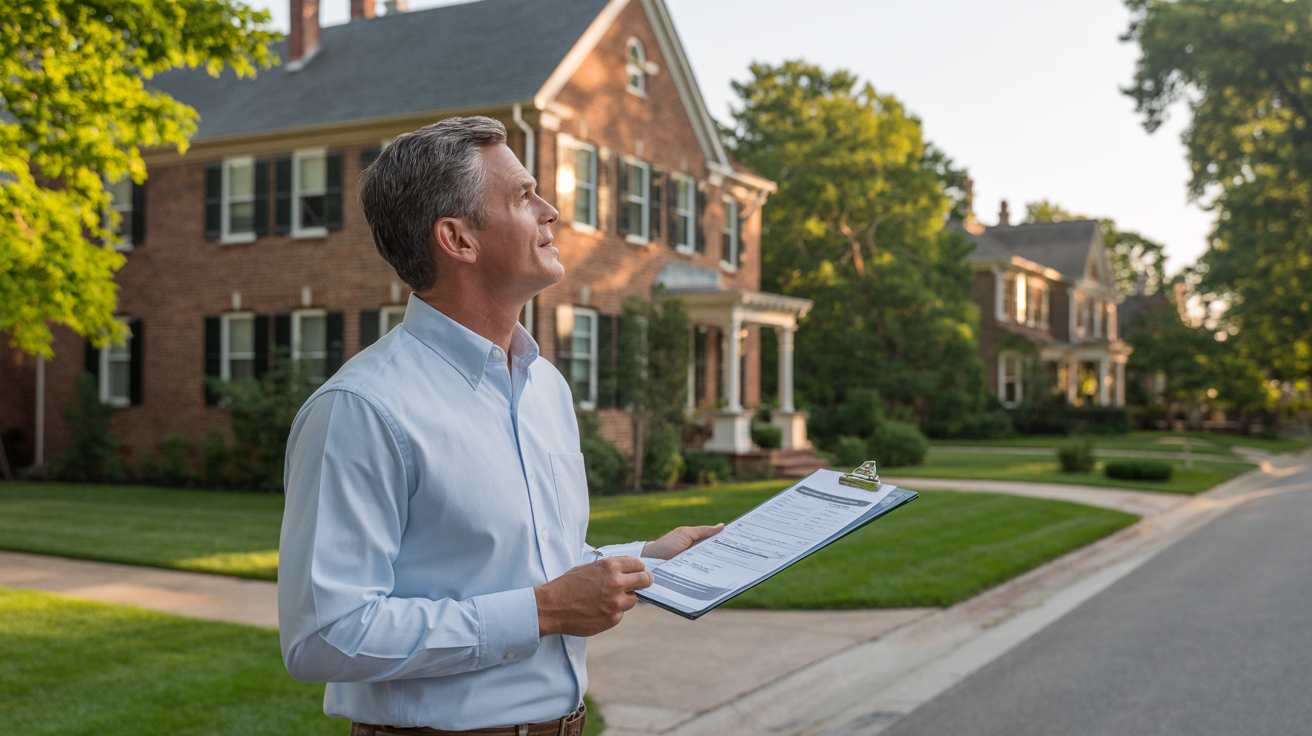
A roof replacement costs between $5,000 and $25,000 in 2026, depending on your materials, roof size, and where you live. That range is massive, and it's exactly why so many homeowners get overcharged.
I got three quotes after a hailstorm last year. First came in at $14,200. Second at $8,900. Third at $22,000. Same roof. Same damage. Same 2,200 square feet. That spread told me everything I needed to know about how pricing works in this industry.
The game is rigged against homeowners who don't know what to look for. But once you understand the actual cost breakdown, you can spot an inflated quote in about 90 seconds.
I put together a free checklist that walks you through the full quote audit process. Grab the Contractor Defense Checklist here if you want the complete system. But let me give you the pricing foundation first.
How Much Do Roofing Materials Cost Per Square Foot?
This is the number that matters most, because materials are where the markup lives.
| Material | Cost Per Sq Ft (Installed) | Lifespan | Best For |
|---|---|---|---|
| 3-Tab Asphalt Shingles | $3.50 - $5.50 | 15-20 years | Budget replacements |
| Architectural Shingles | $4.50 - $7.00 | 25-30 years | Most residential roofs |
| Metal (Standing Seam) | $8.00 - $14.00 | 40-60 years | Long-term investment |
| Tile (Clay/Concrete) | $10.00 - $18.00 | 50+ years | Southwest climates |
| Slate | $15.00 - $30.00 | 75-100 years | Historic homes |
Standard architectural shingles run $4.50-$7.00 per square foot installed. Below $4 and they're cutting corners somewhere, either on underlayment, flashing, or they're lowballing to win the job and will hit you with change orders later. Above $15 for asphalt and they better have a damn good reason in writing.
The average materials markup on residential roofing is 15-20%. I've seen invoices with 60% markups. A $4,200 materials bill marked up to $6,700. The homeowner had no idea because they never asked to see the supplier receipt.
What Drives the Price Difference Between Quotes?
Four things explain 90% of the gap between a fair quote and an inflated one.
1. Tear-off vs. overlay. A full tear-off (removing all existing shingles down to the decking) costs $1,000-$3,000 more than an overlay. But overlays hide damage and void most manufacturer warranties. I'd never recommend one.
2. Decking condition. If your decking has water damage or rot, replacement adds $1,500-$4,500 depending on how much needs to come out. Some contractors don't inspect decking until tear-off, then hit you with the bill. Others pad the estimate assuming the worst.
3. Flashing and penetrations. Every vent, chimney, skylight, and valley needs flashing. Flashing labor is where contractors either do it right or cut corners. Honestly, most homeowners obsess over shingle brands and completely ignore flashing. Flashing is where 80% of leaks start.
4. Regional labor rates. Same job, different zip codes:
| Region | Typical Labor Cost (Per Sq Ft) |
|---|---|
| Southeast | $1.50 - $2.50 |
| Midwest | $2.00 - $3.00 |
| Northeast | $2.50 - $4.00 |
| West Coast | $3.00 - $5.00 |
| Mountain/Southwest | $2.00 - $3.50 |
What We Tested: Calling the Supplier Directly
I used to think getting three quotes was enough to protect yourself. It's not.
Three quotes from three companies using the same subcontractors gives you three versions of the same inflated price. The subcontractor network in most metro areas is tight. Your three "independent" quotes might all originate from the same labor crew.
What actually works is calling the material supplier directly. ABC Supply, SRS Distribution, Beacon. Ask what a standard tear-off and re-deck runs in your zip code for your roof size. That one phone call changes every negotiation that follows.
I tested this on a 2,200 square foot roof. Supplier told me materials would run about $3,800 wholesale. Contractor quoted $6,700 for the same materials. That's a 76% markup. Armed with that number, the conversation shifted. I didn't accuse anyone of anything. I just asked why there was a $2,900 gap between their materials line item and the supplier's price. The revised quote came back $2,100 lower.
I'm not saying every contractor is gouging. Markup is normal. They buy materials, store them, haul them, take on risk. A 20-25% markup is standard. But 60-76%? That's counting on you not doing your homework.
How to Spot an Inflated Roof Quote
Three things to look at before you sign anything:
Check the materials line item. If it's a lump sum with no breakdown, ask for an itemized list. Shingle type, quantity (in squares, not bundles), underlayment, flashing, ridge vents, drip edge. Every item priced separately.
Compare the waste factor. Roofing materials include a waste factor of 10-15%. Some contractors pad this to 25-30%. On a 22-square roof, that's 2-3 extra squares of shingles at $90-$130 each. Small dollars, but it's a tell.
Look for the "Free Inspection" play. Contractor offers a free roof inspection, climbs up, and always finds damage. Always. Because their commission depends on it. By the time they come down with a clipboard and a quote, you feel obligated. You can't verify if the damage is real because you never documented the roof before they got up there.
Take your own photos before anyone touches your roof. Phone photos from the ground, plus attic shots looking for daylight through the decking. That's your baseline. Without it, you're trusting the person selling you the repair to also diagnose the problem.
What Size Roof Do You Actually Have?
Most homeowners don't know their roof's square footage. Contractors know this. Some quote based on a "rough estimate" that conveniently runs 15-20% high.
Your roof area is roughly 1.2 to 1.5 times your home's footprint, depending on pitch. A 1,500 square foot ranch with a moderate pitch has about 1,800-2,000 square feet of roof. A steep-pitch colonial might hit 2.2x.
Measure the footprint from a satellite image (Google Maps works fine) and multiply by your pitch factor. It doesn't need to be exact. It just needs to be close enough to catch a quote that's 30% too high.
When Should You Replace vs. Repair?
Not every problem needs a full replacement. I go back and forth on this depending on the situation, but here's my general rule:
- Missing or cracked shingles in one area: Repair. $200-$800.
- Granule loss across the whole surface: Replacement timeline, 1-3 years.
- Leaks at penetration points: Flashing repair, not replacement. $300-$1,200.
- Sagging decking: Replacement. Don't wait on this one.
- Age 20+ years (asphalt): Get it inspected by someone who isn't selling you a roof.
I put together a free resource that covers all of this in a quick-reference format. Download the Contractor Defense Checklist. It includes the 47 line items you should verify on any roofing quote, plus the exact questions to ask before signing.
What About Insurance Claims?
Storm damage is where pricing gets wildly inflated. After a hailstorm, every contractor in a 50-mile radius is knocking on doors. Some are legitimate. Many are storm chasers.
Red flag: any contractor who says "I'll waive your deductible." That sounds generous. What's actually happening is they inflate the insurance claim to cover the waived amount. You're an unknowing participant in insurance fraud. If your insurer catches it (and they're getting better at it), your policy gets cancelled. Not just the claim. The whole policy.
File your own claim first. Get the adjuster's scope of work. Then compare it to contractor quotes. The adjuster's number isn't gospel, but it's your anchor.
Frequently Asked Questions
How long does a roof replacement take? Most residential roofs take 1-3 days for a full tear-off and replacement. Complex roofs with multiple valleys, dormers, or steep pitches can take 4-5 days. Weather delays are common. Get a completion timeline in writing with a penalty clause for delays beyond 7 days of the agreed schedule.
Should I get more than three quotes? Three is the minimum. I push for four or five on any job over $10K. The outliers tell you more than the averages. If three quotes cluster around $12,000 and one comes in at $22,000, that outlier tells you something about that contractor's business model.
Can I buy my own roofing materials to save money? Yes, but most contractors will add a labor surcharge of 10-15% if you supply materials. They lose their markup and they lose control over quality and warranty claims. It can still save money on high-end materials (metal, slate), but for standard asphalt it usually isn't worth the hassle.
What's the best time of year to replace a roof? Late fall and early winter are the cheapest. Roofing crews need work in slow months. I've seen quotes drop 15-20% between October and February compared to peak season (May-September). The trade-off: weather delays are more likely.
Does a new roof increase home value? Average ROI on a new asphalt roof is 60-70% of cost at resale. On a $15,000 roof, expect roughly $9,000-$10,500 in added home value. But the real value is avoiding the buyer's inspector flagging your roof and killing a deal.
I share pricing tips and contractor red flags on X every week. Follow me at @beforeyouhire23 for the stuff your contractor won't tell you.
If you're about to get quotes, start with the Contractor Defense Checklist. It has the complete pricing database for 47 line items so you can audit any quote line by line, plus the verification process that catches 90% of overcharges before you sign. Get the free checklist here.
Mike Harmon